
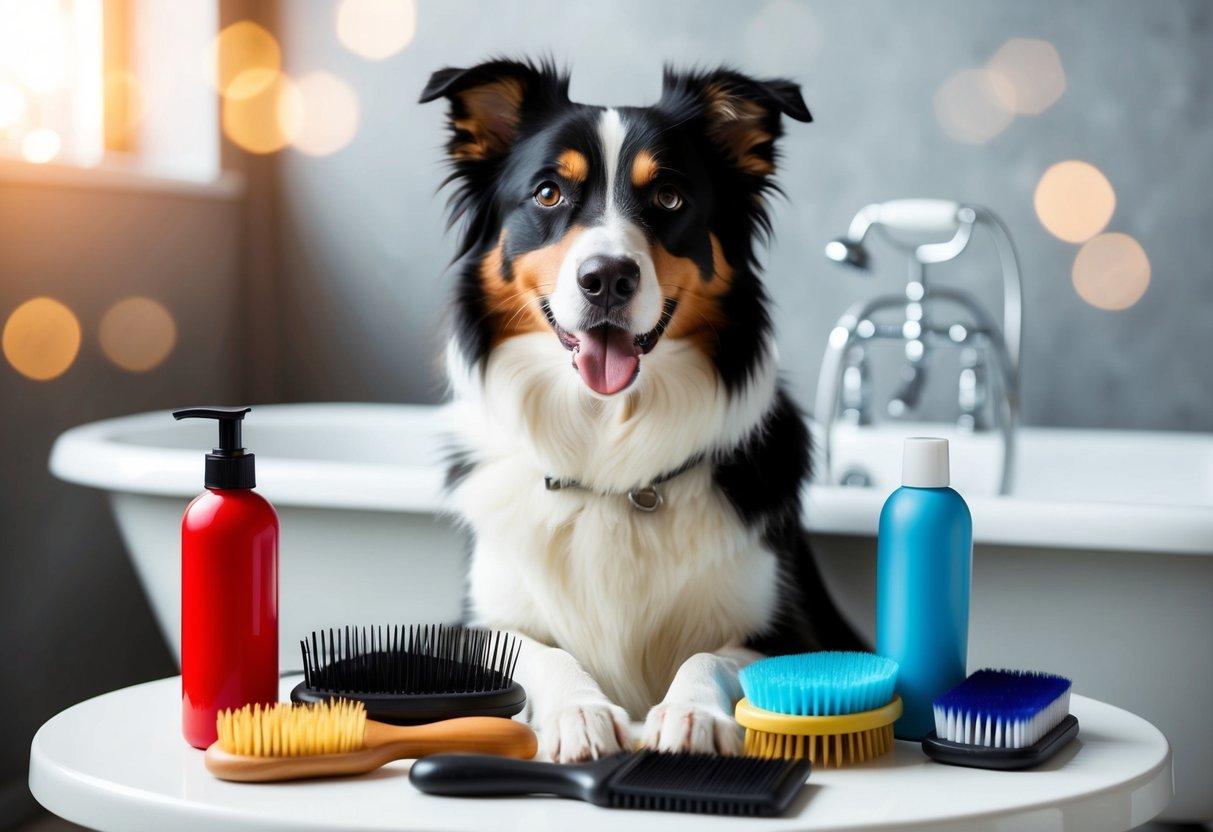
Dog Grooming Accessories: Essential Tools for Everyday Pet Care
Regular grooming is an important part of caring for your dog. Brushing, bathing, and checking your dog’s coat and nails can help keep them clean and comfortable.
The right grooming accessories make these tasks easier for pet parents. However, every dog has different grooming needs depending on coat type, age, activity level, and skin condition.
Why Is Dog Grooming Important?
Grooming helps remove loose hair, manage tangles, and keep the coat looking neat. It also gives you an opportunity to check for changes such as skin irritation, unusual lumps, or parasites.
Regular grooming can help dogs become more comfortable with handling. Start with short sessions and reward calm behaviour to make the experience more positive.
Essential Dog Grooming Tools
Slicker brushes: These can help manage loose hair and tangles in many medium- and long-coated dogs. Use gentle pressure to avoid irritating the skin.
Combs: Suitable combs can help check areas where tangles commonly develop, including behind the ears and around the legs.
Nail clippers: These are designed to trim nails carefully. If you are unfamiliar with nail trimming, ask a professional groomer or veterinarian to demonstrate the correct technique.
Dog shampoo: Use shampoo formulated for dogs rather than ordinary human shampoo. Select products according to your dog’s coat and skin needs.
Grooming towels: These help dry your dog after bathing. Dry the coat thoroughly as appropriate for the breed and weather.
Choosing the Right Brush
Different coat types need different brushes. Long-haired dogs may require more frequent brushing to prevent tangles, while short-haired dogs may need only occasional brushing.
Curly, double, and thick coats may require specialised tools. If you are unsure which brush is appropriate, consult a professional groomer.
Brush gently in the direction recommended for your dog’s coat. Stop if your dog shows pain or the skin becomes irritated.
Making Bath Time Easier
Prepare your grooming supplies before starting a bath. Use lukewarm water, a non-slip surface, and dog-friendly shampoo.
Avoid getting water or shampoo into the eyes and ears. Rinse thoroughly and dry your dog carefully. Bathing frequency depends on coat type, lifestyle, and skin condition.
Dogs with persistent itching, redness, unpleasant odours, or other skin concerns should be assessed by a veterinarian.
Building a Grooming Routine
A simple grooming routine can include regular brushing, checking the ears and paws, monitoring nail length, and bathing when needed.
Introduce tools slowly and reward your dog with praise or treats. Never force a grooming session if your pet becomes distressed.
Clean grooming tools after use and store them safely.
Conclusion
Dog grooming accessories help pet parents maintain a regular care routine. By choosing suitable brushes, combs, shampoos, and nail-care tools, you can make grooming more manageable.
Focus on gentle handling, appropriate products, and your dog’s individual coat and skin needs to support comfortable everyday care.